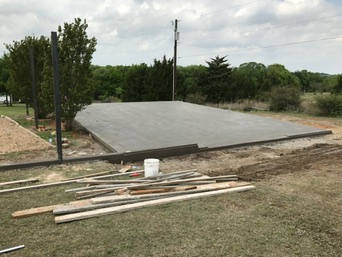
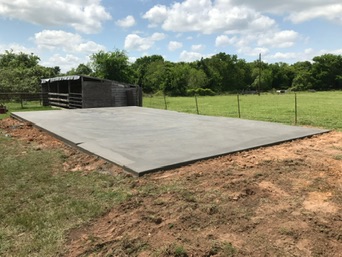
This URL began as an unidentified project update with two slab photographs and a generic sales paragraph. The photographs are still real source material, but the record does not identify the property, city, slab use, dimensions, or construction specification. Instead of hiding the page or inventing a project, this article shows how to read finished-slab photos responsibly.
What is actually visible in the two images
The record shows a broad concrete surface, formed outer edges, and a finish that appears consistent across the photographed area. Those observations can describe the image. They do not establish level, drainage, strength, thickness, reinforcement, joint layout, base, cure, cracking performance, or long-term durability.
The original text called the slab large and ready for daily use, but it supplied no scale, intended use, or handoff record. This repaired page therefore does not label it as a driveway, shop, patio, foundation, commercial slab, or code-approved installation.
The minimum packet behind a credible project example
A useful project page should connect the photos to a privacy-safe identity, date, location, owner-approved description, actual SLA scope, dimensions, intended load or use, base and reinforcement information, concrete or material record, finish, joints, drainage, challenge, decision, result, and trade boundaries.
Not every item has to be public, but the publisher should possess enough source material to verify the claims it does publish. Photo captions should say what the exact image shows rather than using numbered placeholders or borrowing a service claim from another project.
How to use photos when comparing contractors
Ask for a wide view, preparation photos, reinforcement or embedded-item photos where relevant, placement views, finished edges and transitions, and a dated closeout image. Then ask the contractor to explain one field decision visible in the set. The explanation is often more informative than a gallery of polished final shots.
Photos are evidence of a moment, not proof of every hidden requirement. Use them with a written scope, references, current insurance and business information, plans where needed, and direct questions about exclusions, change orders, inspection, cure, and who owns design decisions.